

ABOUT ALL OVER SCREEN PRINTING
Sleeve to Sleeve, No Size Limits
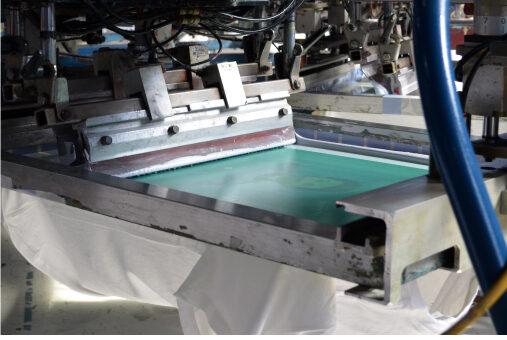
All Over Screen Printing breaks free from the constraints of traditional screen printing, bringing your design to life from sleeve to sleeve. Using oversized 30" x 30" boards, we print the entire garment - past the normal limits of a standard pallet, and even across seams, collars, and hems.
It elevates the traditional method by allowing more flexibility with artwork sizing while keeping that classic band-tee look and feel. Best for bold, oversized graphics on cotton and cotton-blend garments.

Quantity
144 unit minimum - ideal for high-volume orders

Size
Print up to 30”W x 30”H

Ink
Discharge recommended, up to 4 colors max

Prints
Great for bold, oversized graphics

Garments
100% cotton recommended
ALL OVER VS. STANDARD SCREEN PRINTING
What's the Difference?
All Over Screen Printing uses 30" x 30" boards that allow the entire garment to be printed, past the normal limitations of a standard screen printing pallet. Standard Screen Printing is typically 15"W x 20"H, with options to print Oversize (19"W x 23"H) and Jumbo (22"W x 26"H). Standard printing does not allow printing over seams or completely to the edges of the garment.

ALL OVER SCREEN PRINTING VS. SUBLIMATION
Two Ways to Print “All Over”
All Over Print" is often used as a catch-all term, but it can mean either method. Here's how to choose the right fit for fabric, color, and coverage.

All Over Screen Printing
Best For
Oversized graphics on cotton garments. Print up to 4 colors max. 144 unit minimum. Long-lasting, traditional print with a classic band-tee feel.
Trade Off
Large but not always edge-to-edge, slight imperfections possible over seams.

Sublimation Printing
Best For
Seamless, full-coverage designs with no color limits. True edge-to-edge. Never cracks or peels. Great for photos and patterns. Lower minimums.
Trade Off
Only works on 100% polyester, light-colored fabrics. Cut & sew adds production time.
Quick comparison (from the AOSP vs. Sublimation blog)
| Feature | All Over Screen Print | Sublimation Printing |
|---|---|---|
| Best For | Oversized graphics on cotton garments | Seamless, full-coverage designs |
| Fabric | Cotton, Blend | 100% Polyester |
| Print Area | Up to 30" x 30" | Entire Garment |
| Texture | Slight Ink Feel | No Texture (dyed into fabric) |
| Garment Type | Pre-made | Cut & sew |
QUALITY CONTROL
Keys to a High Quality All Over Print
All Over Printing offers a lot of artistic freedom, but it comes with more quality-control precautions than standard screen printing.

Fabric
100% cotton recommended for the best result.

Print Placement
Avoid printing over pockets - ink won't lay flat and causes inconsistencies.

Design Recommendations
Some distressing is recommended to account for printing over seams.

Ink
Discharge ink is highly recommended for a soft hand feel and flexibility over seams. Up to 4 colors max.
HOW IT WORKS
The Traditional Print Method, Scaled Up
Screen printing is the most traditional and popular form of garment printing. The stencil of your graphic is developed onto a screen, and ink is pushed through the mesh to transfer your graphic onto the garment.
Each color requires a separate screen, which raises set-up costs but produces high-quality prints that hold up for a long time - cost-efficient for bulk orders. All Over Screen Printing applies that same process across the full 30" x 30" board.
Mastering All Over Screen Printing: A Complete Guide
All Over Screen Printing lets brands turn an entire garment into a canvas - ideal for music merch, street wear drops, and bold retail apparel. Below, the process, applications, and tips for a standout result.
Preparing the Screen:
Before printing can commence, the screen must be prepared. This involves selecting the appropriate mesh count and frame size based on the design and substrate. The screen is then coated with emulsion, a light-sensitive substance that will create the stencil for the design.
Creating the Design:
Design creation is a crucial step in custom screen printing. Designers must optimize their artwork for screen printing, considering factors such as line thickness, color separation, and halftone patterns. Once the design is finalized, it is transferred onto the coated screen using a variety of methods, such as direct drawing, film positives, or digital transfers.
Printing the Design:
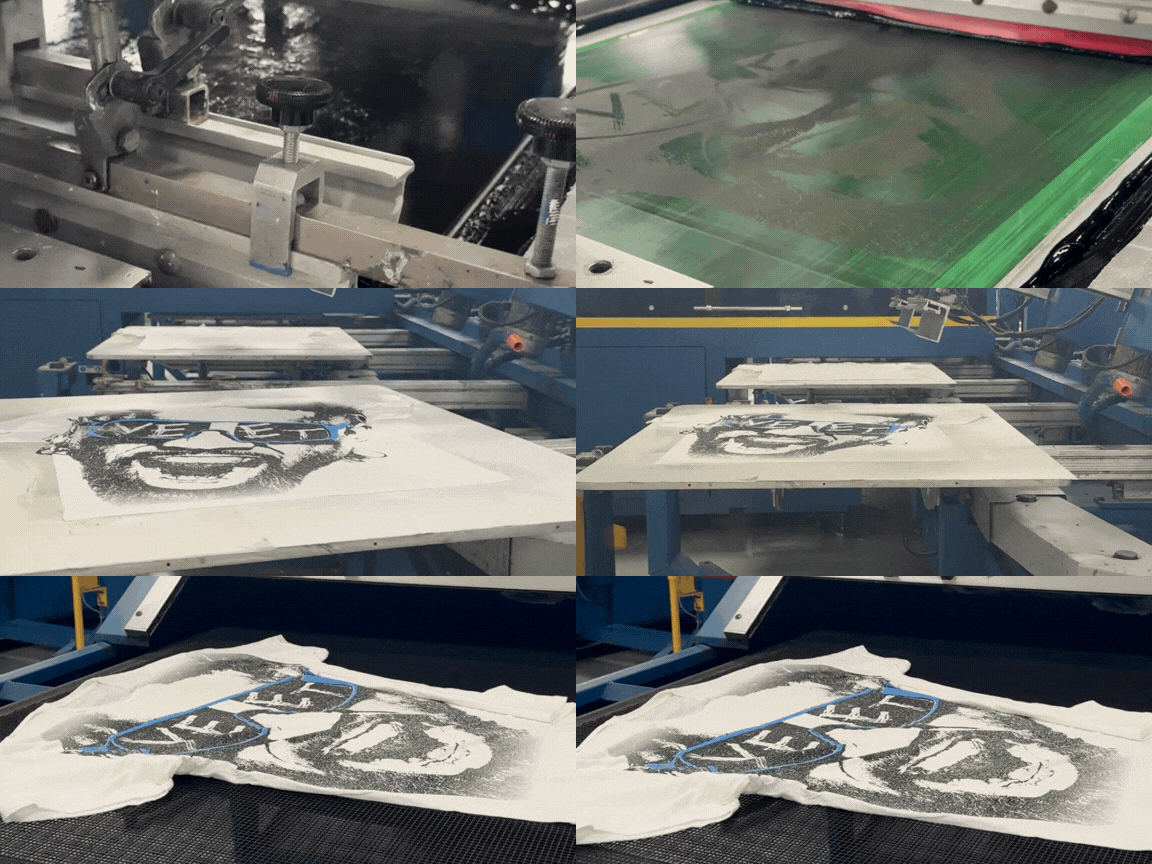
The actual printing process involves pressing ink through the stencil onto the substrate using a squeegee. Proper ink choice is essential for achieving desired results, as different inks offer varying levels of opacity, flexibility, and color vibrancy. The squeegee technique also plays a crucial role in determining the quality and consistency of the print.
Curing and Finishing Touches:
After printing, the ink must be cured to ensure durability and wash fastness. This is typically achieved through heat curing methods, such as conveyor dryers or flash curing units. Once cured, the print undergoes a final inspection for any imperfections before being cleaned and prepared for delivery or further processing.
Durability and Longevity:
Screen printing offers exceptional durability, with prints that can withstand repeated washings and wear without fading or peeling. This makes it ideal for producing long-lasting designs on apparel and other items.
Versatility:
Screen printing is suitable for a wide range of materials and surfaces, including cotton, polyester, plastics, metals, and more. This versatility allows for endless creative possibilities, from clothing and accessories to promotional products and signage.
Cost-Effectiveness for Large Runs:
One of the primary advantages of screen printing is its cost-effectiveness for large quantity orders. The setup costs are amortized over the entire print run, resulting in lower per-unit costs compared to other printing methods, such as digital or sublimation printing.
Vibrancy and Quality:
Screen printing produces vibrant and high-quality prints with crisp details and rich colors. The thick layers of ink penetrate the substrate, creating designs with excellent opacity and saturation.
Apparel and Merchandise:
Custom screen printing is widely used in the apparel industry for creating branded t-shirts, hoodies, hats, and more. Its versatility and durability make it a popular choice for clothing manufacturers and designers.
Promotional Products:
Screen printing is also commonly used for producing promotional items such as bags, pens, mugs, and keychains. Its ability to print on various substrates and surfaces makes it ideal for creating branded merchandise for marketing campaigns and events.
Art and Decor:
Screen printing has found its place in the world of art and decor, with artists and designers using it to create limited edition prints, posters, and home decor items. Its ability to reproduce intricate details and vibrant colors makes it a preferred method for producing high-quality art prints.
Choosing the Right Material:
Selecting the appropriate substrate is crucial for achieving optimal print results. Consider factors such as fabric type, surface texture, and color when choosing materials for your screen printing projects.
Design Considerations:
Pay attention to design elements such as line thickness, font size, and color selection to ensure clarity and impact in the final print. Simplify complex designs and avoid fine details that may not translate well onto the substrate.
Working with a Professional:
For complex projects or large print runs, consider working with a professional screen printer who has the expertise and equipment to handle your printing needs. They can offer valuable advice on design optimization, material selection, and production processes to ensure a successful outcome.
In conclusion, custom screen printing offers a versatile, cost-effective, and high-quality solution for producing branded merchandise, promotional products, and art prints. By understanding the screen printing process, its benefits, applications, and implementing best practices, businesses and artists can achieve outstanding results that resonate with their audience and leave a lasting impression.